
Introduction
Mold is a common and often overlooked household issue. It can grow in damp, dark places and thrive on various surfaces, from walls and ceilings to food items. While the sight of mold may be unsettling, what's even more concerning is the potential for mycotoxin exposure through inhalation. Mycotoxins are toxic compounds produced by certain molds, and they can pose serious health risks to humans. In this article, we'll delve into the dangers of mycotoxin exposure from mold spore inhalation and how to protect yourself and your loved ones.
Understanding Mycotoxins
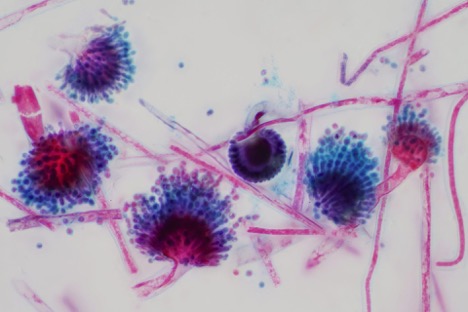
Mycotoxins are secondary metabolites produced by molds as a defense mechanism. These toxins can be found in various types of molds, including Stachybotrys, Aspergillus, and Penicillium, which are commonly found in indoor environments. Mycotoxins are highly stable and can persist even after the mold has been killed or removed.
Health Risks of Mycotoxin Exposure
- Respiratory Issues: When mold spores carrying mycotoxins are inhaled, they can irritate the respiratory system, leading to symptoms like coughing, sneezing, throat irritation, and nasal congestion. In individuals with asthma or other respiratory conditions, mycotoxin exposure can exacerbate their symptoms.
- Allergic Reactions: Mycotoxin exposure can trigger allergic reactions, including skin rashes, watery eyes, and itching. Individuals with allergies are particularly vulnerable to mold-related allergies.
- Neurological Symptoms: Some studies suggest a potential link between mycotoxin exposure and neurological symptoms such as headaches, memory loss, and cognitive difficulties. However, more research is needed to establish a clear connection.
- Long-Term Health Effects: Prolonged exposure to mycotoxins has been associated with more severe health problems, including respiratory infections, immune system suppression, and even cancer in extreme cases.
Protecting Against Mycotoxin Exposure
- Prevention: The best defense against mycotoxin exposure is prevention. Keep indoor environments dry and well-ventilated to discourage mold growth. Repair leaks promptly, use exhaust fans in kitchens and bathrooms, and avoid over-watering indoor plants.
- Regular Inspection: Inspect your home regularly for signs of mold growth, particularly in areas with high humidity, like basements, bathrooms, and kitchens. If you discover mold, address it promptly to prevent further growth.
- Proper Cleaning: When cleaning mold-infested areas, wear protective gear like gloves and a mask to minimize inhalation risks. Use mold-specific cleaning products and ensure thorough removal of all visible mold.
- Professional Help: For extensive mold problems or when dealing with toxic molds like Stachybotrys, it's advisable to seek professional mold remediation services. They have the expertise and equipment to safely remove mold and reduce the risk of mycotoxin exposure.
- Allergy Testing: If you or a family member experience persistent health issues that could be related to mold exposure, consider allergy testing to identify specific mold allergens and take appropriate steps to minimize exposure.
Conclusion
Mold is not just an unsightly nuisance; it can pose significant health risks due to mycotoxin exposure from mold spore inhalation. Taking preventive measures, promptly addressing mold issues, and seeking professional help when necessary can reduce the risks associated with mycotoxin exposure and help ensure a safe and healthy indoor environment for you and your family. Don't underestimate the dangers of mold, as they can have far-reaching consequences on your well-being.


